
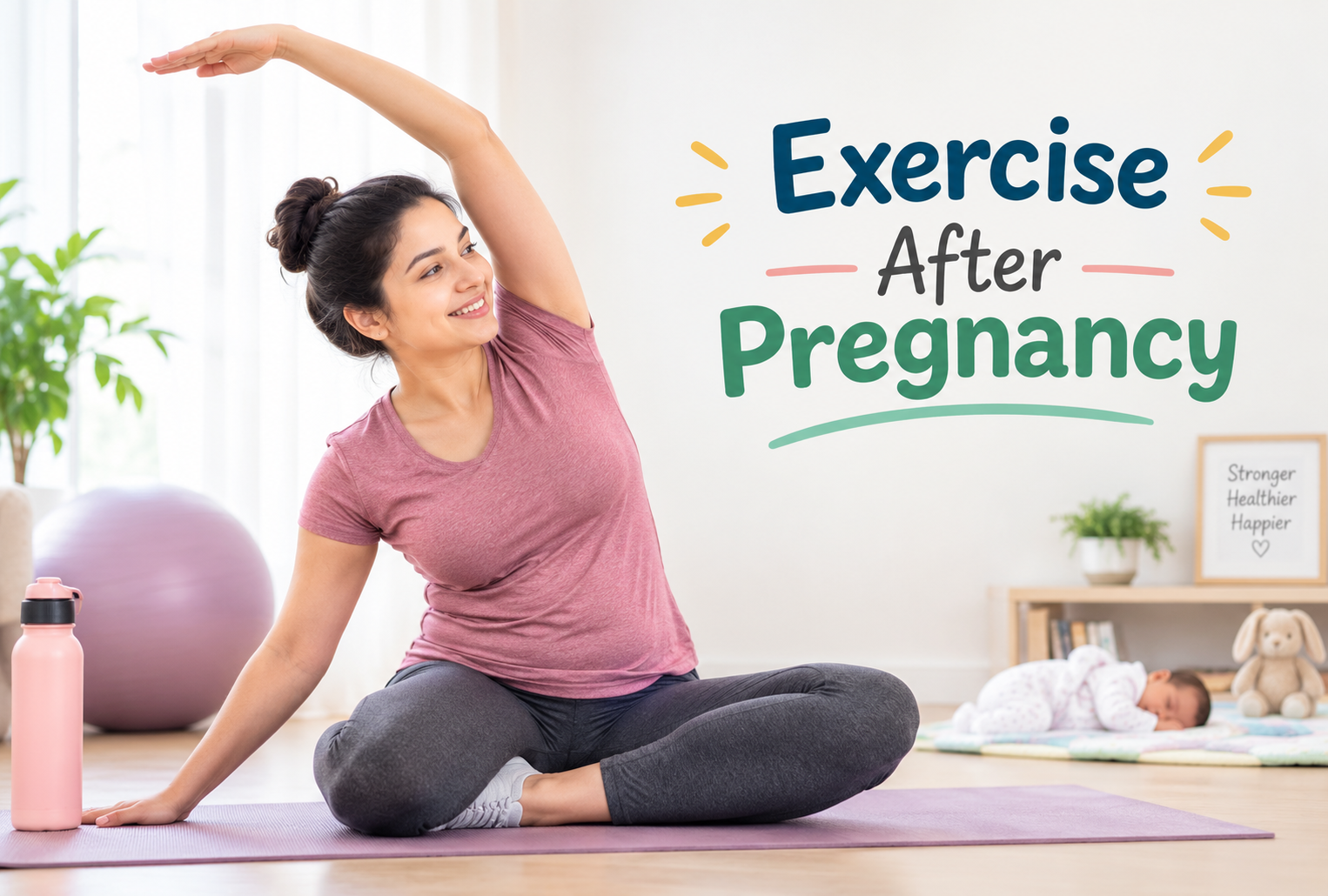
Having a baby brings many changes to your body, daily routine, sleep schedule, and energy levels. While getting back into exercise may be one of your goals, postpartum recovery takes time, and every mother's experience is different.
The good news is that Exercise After Pregnancy can help you gradually rebuild strength, improve cardiovascular fitness, support your mood, and establish healthy habits. The key is to choose activities that match your recovery stage instead of rushing into intense workouts.
Whether you were physically active before pregnancy or are starting a fitness routine for the first time, this beginner-friendly guide explains how to start exercising after delivery, which movements may be suitable, and how to adjust your postpartum workout routine safely.
Important: The right time to resume exercise depends on your delivery, healing, and any medical complications. Follow your obstetrician's or midwife's advice, especially after a C-section or a complicated birth.
Why Is Exercise After Pregnancy Important?
Gentle physical activity can be a useful part of postpartum recovery when it is medically appropriate. According to the American College of Obstetricians and Gynecologists (ACOG), returning to physical activity gradually can support general health and help new mothers rebuild their fitness.
Potential benefits include:
-
Supporting physical recovery: Gradual movement can help you regain strength and mobility.
-
Improving mood: Physical activity may support emotional well-being during the postpartum period.
-
Building stamina: Gentle aerobic exercise can help you gradually improve endurance.
-
Supporting muscle function: Appropriate strengthening exercises can help rebuild core, back, and pelvic floor function.
-
Creating a sustainable routine: Short, manageable workouts can make it easier to stay active while caring for a newborn.
Remember, recovery is not a competition. Your progress does not need to match another mother's timeline, and you do not have to return to your pre-pregnancy fitness level immediately.
When Can You Start Exercising After Delivery?
One of the most common questions new mothers ask is when it is safe to resume physical activity. There is no single timeline that works for everyone.
If you had an uncomplicated vaginal birth, gentle activities such as short walks, comfortable movement, and pelvic floor exercises may be appropriate soon after delivery, as long as you feel ready and your healthcare professional has not advised otherwise.
If you experienced significant tearing, heavy bleeding, infection, high blood pressure complications, or another medical concern, your recovery plan may need to be different.
After a C-section, your body needs time to heal from major abdominal surgery. Ask your healthcare professional when to begin or increase exercise, and avoid strenuous activity until you have been advised that it is appropriate.
The NHS guide to keeping fit and healthy with a baby also recommends starting with gentle activity and seeking advice before returning to strenuous exercise after a complicated birth or caesarean delivery.
How to Start Exercising After Delivery: A Gradual Approach
A good postpartum fitness plan starts with manageable movements and progresses according to your symptoms, strength, and recovery.
1. Begin with Gentle Movement
In the early recovery period, rest is important. When you feel ready and have appropriate medical guidance, gentle movement may help you gradually become more comfortable with everyday activities.
You can begin with:
-
Easy movement around your home
-
Gentle mobility exercises
-
Comfortable breathing exercises
-
Short, relaxed walks
-
Pelvic floor exercises, if comfortable and appropriate
Do not force a movement that causes pain, pressure, dizziness, or discomfort. The goal is to reintroduce activity without placing unnecessary stress on healing tissues.
2. Try Walking After Pregnancy
Walking after pregnancy is a convenient way to reintroduce aerobic activity because you can adjust the pace and duration to your energy levels.
Start with a short walk on a flat, comfortable surface. You may begin with just a few minutes and increase gradually if you feel well during the walk and afterward.
Helpful tips include:
-
Wear supportive, comfortable footwear.
-
Choose a route with an even surface.
-
Carry water, particularly in warm weather.
-
Use a stroller only when you feel physically ready and can manage it comfortably.
-
Shorten or skip a walk if you feel unusually tired or sore.
Pay attention to how your body responds later in the day, not just while exercising. Increased bleeding, pelvic heaviness, leaking urine, or worsening pain can be signs that you need to reduce activity and seek professional advice.
3. Include Pelvic Floor Exercises After Childbirth
The pelvic floor muscles support the bladder, bowel, and pelvic organs. Pregnancy and childbirth can affect these muscles, so appropriate pelvic floor rehabilitation may be helpful.
Pelvic floor exercises after childbirth, sometimes called Kegel exercises, involve gently contracting and relaxing the muscles used to control the passage of urine and gas.
To practise a basic contraction:
-
Sit or lie in a comfortable position.
-
Breathe normally and relax your abdomen, buttocks, and thighs.
-
Gently squeeze and lift the pelvic floor muscles.
-
Hold briefly only if comfortable, then fully relax.
-
Repeat gently without straining or holding your breath.
Avoid repeatedly stopping your urine flow as a way to practise these exercises. If you have pelvic pain, difficulty relaxing the muscles, persistent leaking, or a feeling of heaviness or bulging, ask a healthcare professional or pelvic health physiotherapist for individual guidance.
Not everyone needs more squeezing or stronger contractions; some people need help relaxing and coordinating the pelvic floor.
4. Rebuild Core Strength Gradually
Your abdominal muscles and connective tissues may have changed during pregnancy. A gradual return to core exercises can help improve control and support everyday movements.
Depending on your recovery, a physiotherapist or healthcare professional may recommend gentle exercises such as:
-
Diaphragmatic breathing
-
Gentle abdominal engagement while breathing normally
-
Supported heel slides
-
Pelvic tilts, if comfortable
-
Other individually prescribed rehabilitation exercises
Start with controlled movements rather than high-repetition abdominal workouts. If you notice abdominal doming or bulging, pelvic pressure, leaking, or pain, stop and ask for guidance.
Sit-ups, crunches, planks, and other demanding core exercises may not be the best starting point for everyone. Their suitability depends on your healing, symptoms, and ability to control the movement.
Safe Exercises After Childbirth for Beginners
The most suitable exercises depend on your delivery and recovery. Once you have appropriate clearance or guidance, these options may help you build a balanced routine.
Low-Impact Aerobic Activity
Walking and other low-impact activities can help you rebuild endurance without immediately returning to intense workouts. Start at a comfortable effort and increase duration before pushing for speed or intensity.
Swimming may be an option later in recovery, once bleeding has stopped and any wounds or incisions have healed sufficiently, with advice from your healthcare professional.
Gentle Mobility and Stretching
Gentle shoulder rolls, comfortable neck movements, and light stretching may help relieve stiffness from feeding, holding, or carrying your baby.
Move slowly and avoid forcing your joints into deep stretches. Pregnancy-related changes can affect joint stability for a period after delivery.
Postpartum Strength Training
Postpartum strength training can be reintroduced gradually when your recovery allows. Start with light resistance, controlled movements, and exercises that do not cause pain or pelvic floor symptoms.
Depending on your readiness, a suitable programme may eventually include:
-
Sit-to-stand movements from a stable chair
-
Wall push-ups
-
Light resistance-band exercises
-
Supported rows
-
Gradually progressed lower-body strengthening
Focus on good technique and normal breathing. Increase resistance or repetitions one step at a time rather than changing everything in a single session.
If you have had a C-section, significant tearing, pelvic floor symptoms, or other complications, consider working with a qualified postpartum or pelvic health physiotherapist before progressing to heavier resistance.
How to Adjust Your Postpartum Workout Routine
A postpartum workout routine should reflect how you feel now, rather than how much you could do before pregnancy.
Start Small and Progress Slowly
Instead of planning long workouts immediately, begin with a short session that feels manageable. You can gradually increase the duration, frequency, or intensity when your body is responding well.
For example, you might start with a short walk and a few comfortable mobility exercises. As recovery progresses, you could add light strength work with professional guidance.
Avoid increasing workout duration and intensity at the same time. A gradual approach makes it easier to notice what your body tolerates.
Make Rest Part of the Plan
Newborn care can involve interrupted sleep, frequent feeding, and unpredictable schedules. Rest days and shorter sessions are reasonable parts of a postpartum fitness plan.
On days when you feel exhausted, gentle movement—or taking a complete rest day—may be more appropriate than a demanding workout.
Adjust Your Goals
Your first goal may be to move comfortably, improve stamina, or rebuild confidence rather than lose weight or return to a previous body shape.
Progress can include walking a little longer, performing everyday tasks more comfortably, or experiencing fewer symptoms during daily activities. These are meaningful achievements.
Postpartum Fitness Tips for New Mothers
Building a new routine can be challenging when most of your time revolves around your baby. These practical postpartum fitness tips can help make movement more manageable.
1. Choose Short, Flexible Sessions
A workout does not have to last 45 minutes to fit into your day. Short periods of gentle movement can be easier to manage than a fixed, lengthy session.
2. Stay Hydrated and Eat Enough
Your body needs nourishment for healing and daily activity. Drink fluids regularly, and eat balanced meals and snacks. If you are breastfeeding, avoid restrictive diets or aggressive weight-loss plans without appropriate professional guidance.
3. Wear Comfortable, Supportive Clothing
Choose clothing that allows you to move freely. A supportive bra may make activity more comfortable, particularly if your breasts feel full or tender.
4. Ask for Help When You Need It
Support from a partner, family member, or friend can give you time to rest or exercise. A routine that fits your real life is more sustainable than one that adds pressure.
5. Listen to Your Symptoms
Mild tiredness may happen as you return to activity, but worsening pain, pelvic heaviness, urinary leakage, or increased bleeding should not be ignored. Reduce activity and seek medical advice when needed.
When to Exercise After a C-Section
Knowing when to exercise after a C-section is especially important because caesarean delivery involves abdominal surgery.
During recovery, follow the instructions given by your surgical and maternity care team. Gentle movement may be encouraged early when medically appropriate, but that does not mean you are ready for strenuous workouts, heavy lifting, or abdominal training.
Keep these points in mind:
-
Follow wound-care and activity instructions.
-
Avoid exercises that pull on or cause pain around your incision.
-
Increase walking gradually as comfort and recovery allow.
-
Ask before returning to heavy lifting, running, or high-impact workouts.
-
Seek assessment if the incision becomes increasingly painful, red, swollen, or starts discharging fluid.
There is no universal date when every person who has had a C-section can resume all exercise. Healing, complications, and individual medical advice should guide the timeline.
Warning Signs: When to Stop Exercising
Stop exercising and contact your healthcare professional if you experience:
-
Increasing vaginal bleeding or a return to heavier bleeding after activity
-
Chest pain or difficulty breathing
-
Dizziness or fainting
-
Severe or worsening abdominal or pelvic pain
-
New or worsening pelvic pressure or a bulging sensation
-
Significant urine leakage during exercise
-
Pain, swelling, or redness around a surgical incision
-
Painful swelling in one calf
Chest pain, severe breathing difficulty, fainting, or symptoms suggesting a blood clot require urgent medical attention. Do not try to exercise through these symptoms.
If you repeatedly experience pelvic floor symptoms or pain, a pelvic health physiotherapist can help assess your needs and recommend suitable modifications.
A Simple Beginner-Friendly Postpartum Activity Plan
This is an example of how you might organise gentle activity once it is appropriate for your recovery. It is not a fixed schedule for the first days or weeks after delivery; follow your healthcare professional's advice and adjust according to symptoms.
| Activity | Beginner approach |
|---|---|
| Gentle walking | Start with a few comfortable minutes |
| Breathing and mobility | Practise gently without straining |
| Pelvic floor work | Follow individual guidance and relax fully between contractions |
| Light strength exercises | Add when recovery allows and technique is comfortable |
| Rest and recovery | Take breaks whenever needed |
Increase activity only when you are tolerating your current level comfortably. If symptoms appear during exercise or later in the day, scale back and seek advice if they persist.
For general recommendations on physical activity during the postpartum period, see the U.S. Centers for Disease Control and Prevention (CDC).
Conclusion
Returning to fitness after childbirth is a gradual process, not a race. Exercise After Pregnancy can help you rebuild strength, improve endurance, support your mood, and develop healthy long-term habits when your routine is suited to your recovery.
Start with comfortable movement, consider walking and appropriate pelvic floor rehabilitation, and add strength training as your body becomes ready. If you had a C-section, birth complications, or ongoing symptoms, seek individual guidance before increasing your activity.
Most importantly, be patient with yourself. Your body has been through significant changes, and a safe, sustainable routine is more valuable than rushing to meet a deadline.
Medical Disclaimer: This article is for general educational purposes and does not replace personalised medical advice. Consult your obstetrician, midwife, or another qualified healthcare professional about when and how to resume exercise, especially after a C-section or complicated delivery.